
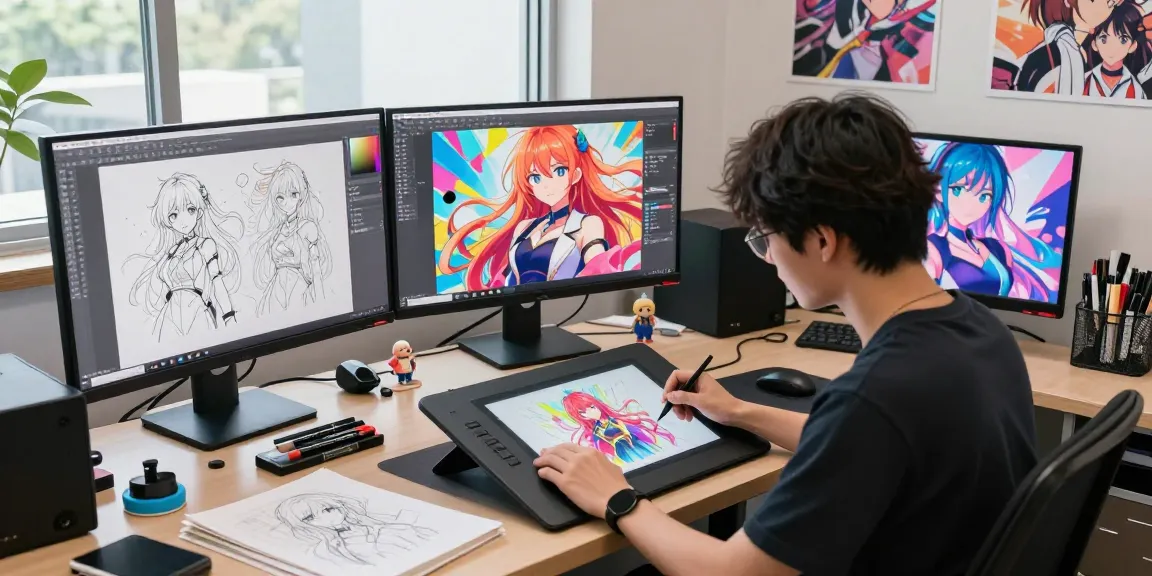
Understanding AI Ecchi Art
The intersection of artificial intelligence and art has given rise to a fascinating niche: AI ecchi art. This genre blends technology with the stylistic qualities of the renowned ecchi subculture in anime, resulting in visually stunning and often provocative imagery. Enthusiasts and creators alike are increasingly drawn to the potential of AI tools to explore this art form, leading to an explosion of creativity and content sharing. For those interested, ai sex offers a wealth of resources and inspiration to navigate this trend effectively.
What is AI Ecchi and Its Popularity?
AI ecchi refers to art generated through artificial intelligence that embodies the characteristics of ecchi, a genre in anime characterized by suggestive themes and playful eroticism. The popularity of AI ecchi can be attributed to the increasing accessibility of AI tools that allow users to create, modify, and share their own interpretations of ecchi themes without needing extensive artistic skills. As a result, AI ecchi art has gained traction in online communities, where fans eagerly share their creations and engage with similar content.
Historical Context of Ecchi in Anime
Ecchi has its roots in the late 20th century, evolving from broader genres of anime and manga that explored more adult themes. Historically, ecchi content served as a bridge between mainstream anime and more explicit adult material, making it popular among a wide range of audiences. As technology advanced, the depiction of ecchi themes began to shift from traditional hand-drawn art to digital formats, paving the way for AI-driven innovations that fuse classic aesthetic sensibilities with modern tools.
Key Characteristics of AI Ecchi Art Styles
AI ecchi art is identifiable by several key characteristics that distinguish it from other forms of digital art:
- Enhanced Facial Features: AI-generated characters often showcase exaggerated facial expressions and features that enhance emotional appeal.
- Vivid Colors: Bright and vibrant color palettes are frequently utilized, creating an alluring visual experience.
- Dynamic Poses: Characters in AI ecchi art are usually depicted in playful, exaggerated poses that convey movement and energy.
- Detail Variance: The level of detail can vary significantly, from highly intricate designs to simpler, more stylized representations.
Tools and Software for Creating AI Ecchi
Overview of AI Art Generators Available
The landscape of AI art generation is rich with tools designed specifically for creating ecchi art. Some notable platforms include:
- PromeAI: Known for its ability to produce stunning illustrations based on text prompts, making it ideal for generating unique ecchi images.
- Neural Love: Offers an AI art generator specifically focused on anime aesthetics, including ecchi themes, allowing for both editing and creation of characters.
- SeaArt: This platform provides a vast library of AI models that cater to ecchi styles, enabling users to experiment with various artistic choices.
Choosing the Right Software for Your Needs
When selecting an AI art generator for creating ecchi art, consider the following factors:
- User Interface: A user-friendly interface can make the creative process smoother, especially for beginners.
- Customizability: Look for tools that allow for extensive customization to achieve your desired artistic vision.
- Quality of Output: Investigate the quality of images that the software produces, as this will heavily influence the end results of your projects.
Best Practices for Using AI Tools Effectively
To maximize the benefits of AI art generators, follow these best practices:
- Experiment with Prompts: Vary your text prompts to discover unique styles and character designs.
- Utilize Community Resources: Engage with online communities to exchange tips and techniques to enhance your creations.
- Combine Techniques: Consider blending AI-generated illustrations with traditional hand-drawn elements for a unique touch.
Creating Engaging AI Ecchi Characters
Character Design Basics for AI Ecchi
Character design in AI ecchi involves understanding anatomy and stylistic preferences typical in anime. Focus on:
- Exaggeration: Amplify features like eyes and hair for an eye-catching design.
- Costume Design: Integrate playful and unique outfits that reflect the character’s personality.
- Background Elements: Use backgrounds that complement the character’s theme, adding depth to the artwork.
Incorporating Emotion and Appeal in Characters
A key aspect of ecchi characters is their ability to evoke emotion. To enhance emotional appeal:
- Facial Expressions: Create varied and dynamic facial expressions to portray different moods.
- Body Language: Use poses that convey confidence, playfulness, or charm, depending on the character’s traits.
Understanding Proportion and Aesthetic Choices
Maintaining proportion while exploring stylization is essential in character design:
- Head-to-Body Ratio: Familiarize yourself with common ratios in anime to create believable yet exaggerated forms.
- Color Schemes: Choose a cohesive color palette that enhances the character’s personality and setting.
- Details and Textures: Pay attention to small details, as they can make a significant difference in the overall aesthetic.
Ethics and Controversies in AI Ecchi Art
The Debate on Copyright and Originality
The rise of AI-generated art has sparked debates about copyright and originality. Key issues include:
- Ownership: Who owns the rights to AI-generated artwork? This remains a gray area in the legal landscape.
- Inspiration vs. Imitation: Distinguishing between art inspired by existing works and art that infringes on them is crucial for ethical creation.
Addressing NSFW Content in AI Art
Given the nature of ecchi themes, discussions around NSFW content are prevalent. It’s important to navigate these waters carefully:
- Platform Policies: Be aware of the guidelines of the platforms you use for sharing your art.
- Audience Sensitivity: Consider your audience and ensure that your content aligns with their expectations and comfort levels.
Community Perspectives on AI Ecchi
Community perspectives on AI ecchi art vary widely, with some embracing the new technology while others resist it. Key themes include:
- Creativity vs. Automation: Some artists argue that AI undermines traditional art forms, while others see it as a tool for expression.
- Supportive Networks: Many communities have formed around AI ecchi art, fostering collaboration and shared learning experiences.
Future Trends in AI Ecchi Art (2026 and Beyond)
Emerging Technologies in AI Art Creation
The future of AI ecchi art is likely to be shaped by advancements in technology such as:
- Improved Neural Networks: As AI technology evolves, expect to see more sophisticated models capable of capturing intricate details in art.
- Augmented Reality Integration: The ability to interact with AI-generated characters in augmented reality environments may become a new trend.
Influence of Cultural Trends on Ecchi Art
Cultural trends will continue to influence the themes and styles present in AI ecchi art:
- Social Dynamics: Changing perceptions of gender and relationships can lead to shifts in how characters are designed and portrayed.
- Global Inspirations: Artists may draw on diverse cultural references, resulting in unique and eclectic styles.
How Artists Can Adapt to Changing Landscapes
As the technology and communities around AI ecchi art evolve, artists must adapt by:
- Continuous Learning: Stay updated with new software tools and art techniques to remain relevant.
- Community Engagement: Participate in discussions and collaborations within the AI ecchi community to share insights and challenges.
What Are the Potential Market Opportunities?
The market for AI ecchi art is poised for significant growth as more creators enter the space. Opportunities include:
- Content Creation: Artists can monetize their work on platforms that cater to ecchi audiences.
- Partnerships with Brands: Collaborations with gaming or entertainment brands can help bridge the gap between art and commerce.


