
Understanding Thin Tape In Extensions
Thin tape in extensions have quickly gained popularity in the world of hair extensions, especially for individuals seeking a lightweight, natural look. These extensions are designed to blend seamlessly with your natural hair, making them an ideal choice for those with fine or thinning hair. In this comprehensive guide, we will delve into the specifics of thin tape in extensions, unravel their benefits, and address some of the most common misconceptions surrounding them. When exploring options, thin tape in extensions provide comprehensive insights into achieving that desired fullness without compromising hair health.
What are Thin Tape In Extensions?
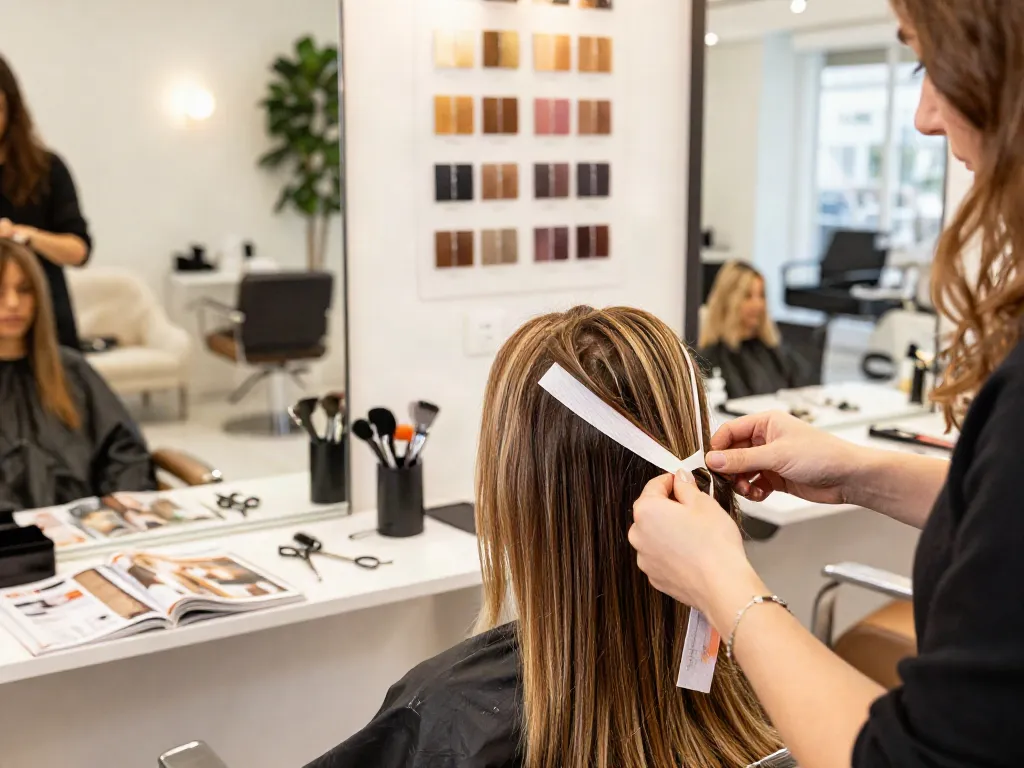
Thin tape in extensions are a type of hair extension method that uses adhesive tape to attach the extensions to your natural hair. These extensions are typically about 1-2 inches wide and are designed to be lightweight, making them an excellent option for individuals with fine or thinning hair. The application involves sandwiching a section of natural hair between two wefts of the extension, which allows for a natural fall and movement that mimics real hair. The tapes are formulated to be ultra-thin, ensuring that the extensions sit flat against the scalp for a nearly invisible look.
Benefits for Fine Hair
One of the primary advantages of thin tape in extensions is their suitability for fine hair. Here are some key benefits:
- Lightweight Design: Unlike traditional extensions, which can be heavy and cause strain, thin tape in extensions are lightweight, making them more comfortable for extended wear.
- Natural Appearance: The ultra-thin tapes are virtually undetectable, providing a seamless blend with your natural hair, thereby enhancing your overall appearance.
- Minimal Damage: When applied correctly, thin tape in extensions can be less damaging than other methods, allowing your natural hair to grow without interference.
- Quick and Easy Application: These extensions can be applied in a matter of minutes, providing an immediate transformation.
Common Misconceptions
Despite their popularity, several misconceptions regarding thin tape in extensions persist. One common myth is that they are only suitable for individuals with thick hair, which is misleading. In fact, thin tape in extensions can be tailored to fit fine hair and provide the illusion of volume without the bulk. Another misconception is that they cause significant hair damage. When applied and maintained properly, they are one of the least damaging types of hair extensions available.
Choosing the Right Extensions for Your Hair Type
Selecting the ideal extensions for your hair type is crucial to ensure a natural look and to maintain the health of your natural hair. Understanding your hair’s thickness, the type of material used for the extensions, and how well the texture matches your hair can make all the difference.
Assessing Your Hair’s Thickness
Before purchasing thin tape in extensions, it’s important to assess your natural hair thickness. If you have fine hair, select extensions that are specifically designed for thinner hair types. These options often feature lighter weights and smaller adherence areas, reducing the risk of any pulling or damage to your natural hair.
Material Types: Synthetic vs. Human Hair
When it comes to hair extensions, the material plays a significant role in both appearance and performance. Human hair extensions offer a more natural look and can be styled with heat tools, while synthetic hair extensions tend to be less expensive but may not blend as seamlessly. For the most natural effect, human hair is always the recommended choice.
Texture Matching: Key to a Natural Look
For a flawless appearance, ensure that the texture of the extensions matches your natural hair—whether it’s straight, wavy, or curly. Many brands now offer a diverse range of textures, so you can find the perfect match that will blend beautifully with your hair.
Application Techniques for Optimal Results
Application of thin tape in extensions can be conducted professionally or at home. Understanding the proper techniques can help to achieve long-lasting results and maintain hair health.
Professional vs. DIY Application
While DIY application of extensions might seem tempting, enlisting a professional stylist can often yield better results, especially for first-timers. Professional stylists have the expertise to ensure the extensions are applied correctly and securely, minimizing damage and maximizing longevity.
Best Practices for Hair Health
Regardless of your application method, following best practices for hair health is essential. This includes consistently checking the condition of your natural hair and the extensions, avoiding excessive heat styling, and using a gentle, sulfate-free shampoo and conditioner.
Step-by-Step Application Guide
- Start with clean, dry hair separated into sections.
- Choose a thin section of hair and place a tape extension above it.
- Press the extension firmly against the natural hair, ensuring it adheres securely.
- Take another section of hair and press it against the other side of the extension to create a sandwich effect.
- Continue this process, ensuring even spacing for a natural look.
Maintenance Tips for Longevity
Maintaining the health and appearance of your thin tape in extensions is crucial for their longevity. With proper care, they can last several weeks or even months.
Daily Care Routine for Thin Tape In Extensions
Implementing a daily care routine can significantly impact the lifespan of your extensions. Brush your hair gently using a wide-toothed comb or a loop brush to avoid tangling, and be careful not to pull on the tapes during this process.
Recommended Products for Care
Using the right products is essential for maintaining both the extensions and your natural hair. Look for sulfate-free shampoos, lightweight conditioners, and leave-in treatments specifically formulated for hair extensions.
When to Seek Professional Help
If you notice excessive shedding, tangling, or damage to your natural hair, it may be time to consult with a professional. They can assess the condition of both your hair and extensions and recommend necessary adjustments or removals.
Future Trends and Innovations in Hair Extensions
The hair extension industry is continuously evolving, with new trends and technologies emerging to meet consumer desires for more natural, long-lasting options.
Emerging Technologies in Tape In Extensions
Innovations such as improved adhesive formulas and lighter-weight materials are making tape in extensions more comfortable and user-friendly. Future advancements may also include eco-friendly materials and adhesives that reduce environmental impact.
Predicted Styles for 2026 and Beyond
As hair trends shift, the styles of thin tape in extensions are expected to diversify. We may see a rise in customizable color options, allowing wearers to create unique looks that match their personal style.
Consumer Preferences Shaping the Industry
Consumers are increasingly prioritizing quality and sustainability when choosing hair extensions. Brands that can offer ethically sourced human hair and hypoallergenic materials will likely dominate the market.
What are the best tape-in hair extensions for fine, thin hair?
The best tape-in hair extensions for fine, thin hair are those specifically designed to be lightweight and have a flat band. Look for products with positive reviews from users with a similar hair type to ensure satisfaction.
Is my hair too thin for tape in extensions?
No, thin hair is not a barrier to using tape in extensions. As long as the extensions are appropriately chosen and applied carefully, individuals with fine hair can enjoy the added volume without compromising their hair’s health.
What are the different types of tape-in hair extensions?
Types of tape-in extensions can vary based on the adhesive used, width, and whether they are made from synthetic or human hair. Options might include medical-grade adhesive tapes, invisible tapes, or hypoallergenic variants.
Can tape extensions be used on thin hair?
Yes, tape extensions can be effectively used on thin hair. Choosing the right type and ensuring proper application and maintenance are key factors in achieving the best results.